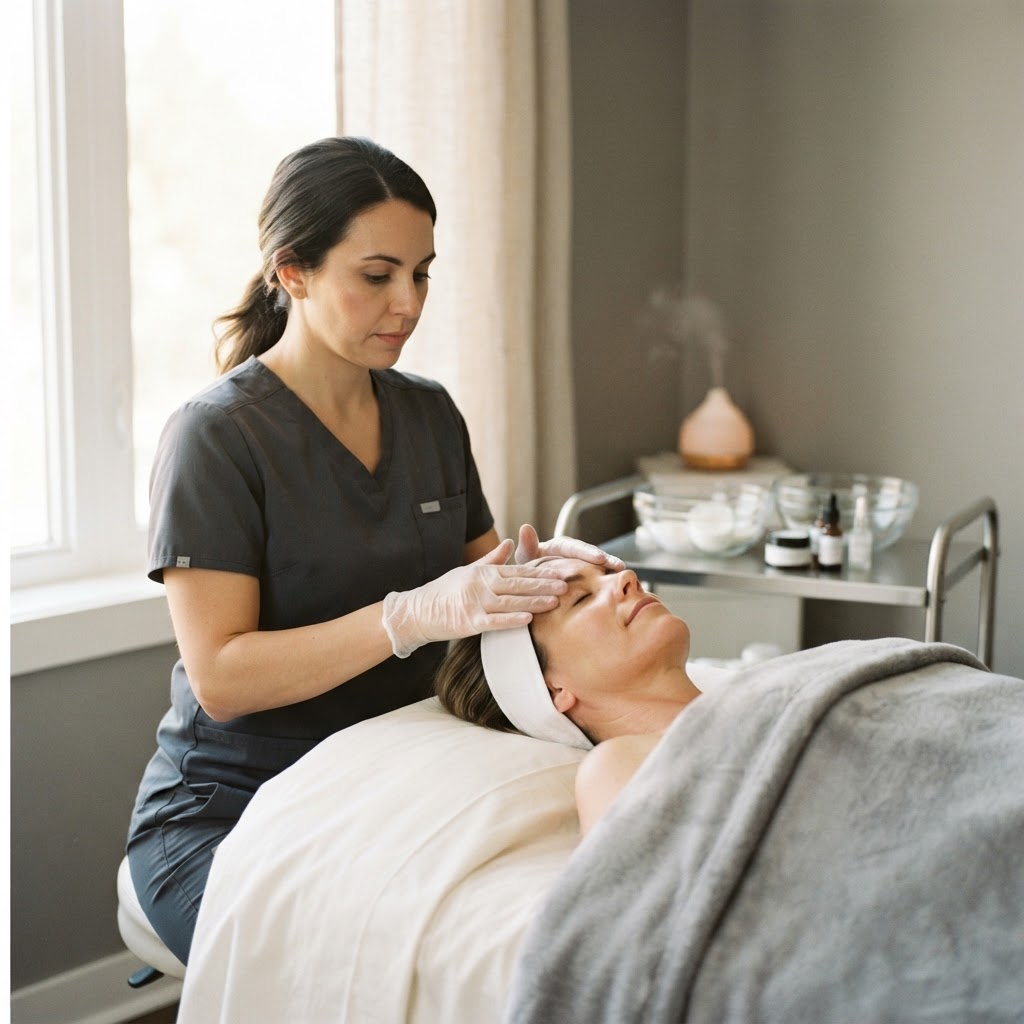
Bio-active botanical ingredients have undergone a remarkable transformation in professional skincare over the past decade. What was once considered an alternative or holistic approach has now been firmly validated by rigorous scientific research, positioning plant-derived actives at the forefront of clinical facial treatments. For UK salon owners, spa managers, and skincare therapists, understanding the science behind these ingredients is no longer optional — it is essential to delivering measurable, repeatable results that clients will return for time and again.
What Are Bio-Active Botanical Ingredients?
The term bio-active botanical refers to plant-derived compounds that exert a measurable, clinically relevant effect on skin biology. Unlike simple botanical extracts that may offer only superficial or aromatic benefits, true bio-actives interact with the skin at a cellular or molecular level, influencing processes such as collagen synthesis, inflammation response, and cellular turnover. This distinction is critical for skincare professionals who must justify treatment efficacy to increasingly informed clients.
Bio-active botanicals are sourced from a wide range of plant materials, including roots, seeds, flowers, bark, and leaves. What makes them particularly compelling is the complexity of their phytochemical profiles — a single plant extract can contain dozens of active compounds, each contributing to a synergistic therapeutic effect. This natural complexity is something that single-molecule synthetic actives simply cannot replicate, and it forms the basis of why botanical-led professional treatments can achieve such nuanced and comprehensive results.
For skincare professionals, the practical implication is clear: not all botanical ingredients are created equal. Concentration, extraction method, and formulation stability all determine whether a botanical delivers its promised activity or simply adds a pleasant scent and a marketing bullet point. When evaluating professional skincare ranges, it is essential to look beyond ingredient lists and interrogate the science behind how each active has been preserved and delivered.
The Key Bio-Active Compounds and How They Work
Polyphenols and Antioxidant Defence
Polyphenols are among the most extensively studied bio-active compounds in dermatological science. Found in plants such as green tea, pomegranate, and rosehip, polyphenols neutralise free radicals — unstable molecules generated by UV exposure, pollution, and metabolic processes that accelerate skin ageing. At a cellular level, polyphenolic compounds have been shown to inhibit enzymes responsible for collagen and elastin degradation, making them highly valuable in anti-ageing professional treatments.
The skin's antioxidant defence system naturally declines with age, increasing vulnerability to oxidative stress and the visible signs of premature ageing. Incorporating polyphenol-rich botanical actives into professional facial protocols helps to restore and reinforce this protective capacity. Regular in-clinic treatments that deliver concentrated polyphenols can visibly reduce the appearance of fine lines, uneven tone, and dullness — results that resonate strongly with the mature client demographic increasingly seeking advanced, non-invasive solutions.
Expert Insight: When layering antioxidant actives during a professional treatment, apply polyphenol-rich serums immediately after cleansing and exfoliation, when the skin's permeability is at its highest. This maximises transdermal absorption and amplifies the antioxidant effect throughout the remainder of the facial.
Phytosterols and Barrier Restoration
Phytosterols are plant-derived compounds structurally analogous to cholesterol — a key component of the skin's natural lipid barrier. Found in shea butter, sea buckthorn, and wheat germ oil, phytosterols integrate into the intercellular lipid matrix, strengthening the epidermal barrier function and reducing transepidermal water loss (TEWL). For professionals treating clients with compromised, sensitised, or post-procedure skin, this is an invaluable mechanism of action.
A disrupted skin barrier is at the root of many common concerns presented in clinic, from chronic dryness and sensitivity to conditions such as rosacea and eczema. Phytosterols address the structural deficit directly, rather than simply masking symptoms with occlusive emollients. Treatments that incorporate barrier-restorative botanicals are particularly effective as post-peel or post-microneedling protocols, reducing recovery time and enhancing overall treatment outcomes.
Adaptogens and Skin Stress Response
Adaptogenic botanicals — including ashwagandha, rhodiola, and bacopa — are a growing area of interest in professional skincare science. Originally studied for their systemic effects on stress hormones, adaptogens are now recognised for their capacity to modulate the skin's own stress response pathways. Chronic psychological and environmental stress elevates cortisol levels, which in turn disrupts barrier function, increases sebum production, and accelerates inflammatory ageing.
Incorporating adaptogen-rich formulations into professional facial treatments addresses the increasingly recognised skin-stress connection — a dimension of skin health that clients are becoming more aware of and receptive to discussing. For salon owners and therapists, positioning adaptogenic facials as part of a holistic wellness offering creates a compelling point of differentiation in an increasingly competitive marketplace.
Why Extraction and Formulation Science Matter
Understanding a botanical ingredient's source is only half the story — how that ingredient is extracted and stabilised determines its actual potency in the final product. Cold-press extraction, supercritical CO₂ extraction, and enzymatic processes each preserve different aspects of a plant's phytochemical profile. Heat-based industrial extraction methods, while cost-effective, frequently denature the most delicate and therapeutically valuable compounds before they ever reach a client's skin.
Formulation stability is an equally critical consideration. Many bio-active botanicals are inherently unstable when exposed to light, air, or changes in pH. Microencapsulation, liposomal delivery systems, and carefully calibrated emulsion chemistry are the technologies that allow professional-grade botanical formulations to remain active from the moment of manufacture through to application in clinic. When assessing a professional skincare range for your business, asking suppliers about their formulation and stability testing processes is not overly technical — it is due diligence.
Key questions to ask when evaluating bio-active botanical ranges:
- What extraction method is used, and how does it preserve bio-actives?
- Has the formulation undergone independent stability testing?
- What is the minimum effective concentration of each key active?
- Are clinical or in-vitro studies available to support efficacy claims?
- How are products packaged to protect actives from oxidative degradation?
Integrating Bio-Active Botanicals Into Professional Treatment Protocols
The most effective professional treatments are those that deploy bio-active botanicals in a systematic, layered protocol designed to address multiple skin concerns simultaneously. Rather than relying on a single hero ingredient, advanced botanical facial protocols leverage the synergistic interaction of complementary actives — antioxidants to defend, phytosterols to restore, peptide-botanical hybrids to stimulate, and adaptogens to regulate.
For skincare therapists, this means moving beyond prescriptive, one-size-fits-all treatment menus. A thorough skin consultation that identifies the client's primary concerns, lifestyle factors, and skin barrier status should inform which botanical actives are prioritised within the facial sequence. Personalised botanical protocols not only deliver superior results — they demonstrate a level of expertise and attentiveness that builds lasting client loyalty.
A well-structured bio-active botanical facial protocol might include the following stages:
- Double cleanse with a botanical oil cleanser to dissolve lipid-soluble impurities without stripping the barrier
- Enzyme or gentle AHA exfoliation using fruit-derived enzymes (papain, bromelain) to enhance penetration of subsequent actives
- Targeted serum application of concentrated bio-active botanicals selected for the individual client's concerns
- Botanical masque to deliver sustained-release actives while providing a relaxing treatment experience
- Protective moisturisation and SPF formulated with barrier-supporting phytosterols and antioxidant botanicals
Professional Tip: Educating clients on the cumulative nature of bio-active botanical treatments is key to retention. Results deepen with consistent in-clinic visits and complementary homecare — frame your treatment plan accordingly at every consultation.
Building a Botanical-Led Business: Retail and Homecare Integration
The commercial success of a botanical-led treatment offering depends heavily on bridging the gap between in-clinic results and at-home maintenance. Clients who leave the salon with a curated homecare regimen aligned to their in-clinic treatment not only experience better, faster results — they also represent a significant retail revenue stream that directly improves the profitability of your business.
Educating your team on the science behind the products you retail is an investment that pays dividends. When a therapist can explain why a phytosterol-rich moisturiser reduces TEWL or how a polyphenol-rich serum defends against environmental ageing, product recommendations become trusted clinical advice rather than upselling. This shift in client perception transforms retail from a transactional afterthought into a valued extension of the professional service.
For spa managers and salon owners building or reviewing their product offering, the scalability of a botanical range matters enormously. Ranges that offer clear treatment protocols, retail-aligned homecare collections, and structured professional support allow businesses to train teams consistently and present a coherent, confidence-inspiring brand experience at every touchpoint.
The Regulatory and Safety Landscape for UK Professionals
UK skincare professionals operate within a well-defined regulatory framework governed by the UK Cosmetics Regulation (retained from EU law post-Brexit), which requires that all cosmetic products placed on the market are safe for their intended use. For bio-active botanical ingredients, this has specific implications: botanical extracts must be assessed for known allergens, potential sensitisers, and phototoxic compounds — all of which can be present in otherwise beneficial plant materials.
Citrus-derived extracts, for example, can contain furocoumarin compounds that increase photosensitivity if not properly processed. Similarly, essential oil components such as linalool and limonene must be declared on product labels above specific concentrations. Reputable professional skincare suppliers will provide full Safety Data Sheets and Cosmetic Product Safety Reports upon request — documentation that every professional business should hold on file for the products they use and retail.
Staying informed about botanical ingredient safety is not only a legal obligation — it is a mark of professional credibility. Clients with sensitive skin, allergies, or active skin conditions rely on their therapist's knowledge to guide them safely toward treatments and products that will benefit rather than harm their skin.
Partner with MONUSKIN: Where Botanical Science Meets Professional Excellence
At MONUSKIN Professional Skincare, our entire product philosophy is built upon the intelligent application of bio-active botanical science. Every formulation in our professional range is developed with evidence-led ingredient selection, advanced delivery technology, and the specific demands of the UK salon and spa environment firmly in mind. We do not add botanical ingredients for decoration — each active is present at a clinically meaningful concentration, selected for its proven mechanism of action and validated through rigorous stability testing.
Whether you are an established spa manager looking to elevate your treatment menu or a salon owner building a professional skincare offering from the ground up, our MONUSKIN professional starter packs provide an accessible, low-risk entry point to one of the UK's most scientifically credible botanical skincare ranges. Our starter packs are designed to equip you with everything you need — from treatment products and retail homecare to training support and marketing materials — so you can begin delivering outstanding botanical facial results with confidence from day one.
We believe that the future of professional skincare lies in the intelligent marriage of nature and science, and we are committed to keeping our partner professionals at the leading edge of that conversation. If you are ready to differentiate your business, deepen client results, and build a treatment offering grounded in genuine scientific integrity, we would love to hear from you.
Explore the MONUSKIN professional range and starter pack options today, and take the first step towards making bio-active botanical science the defining feature of your salon or spa experience.