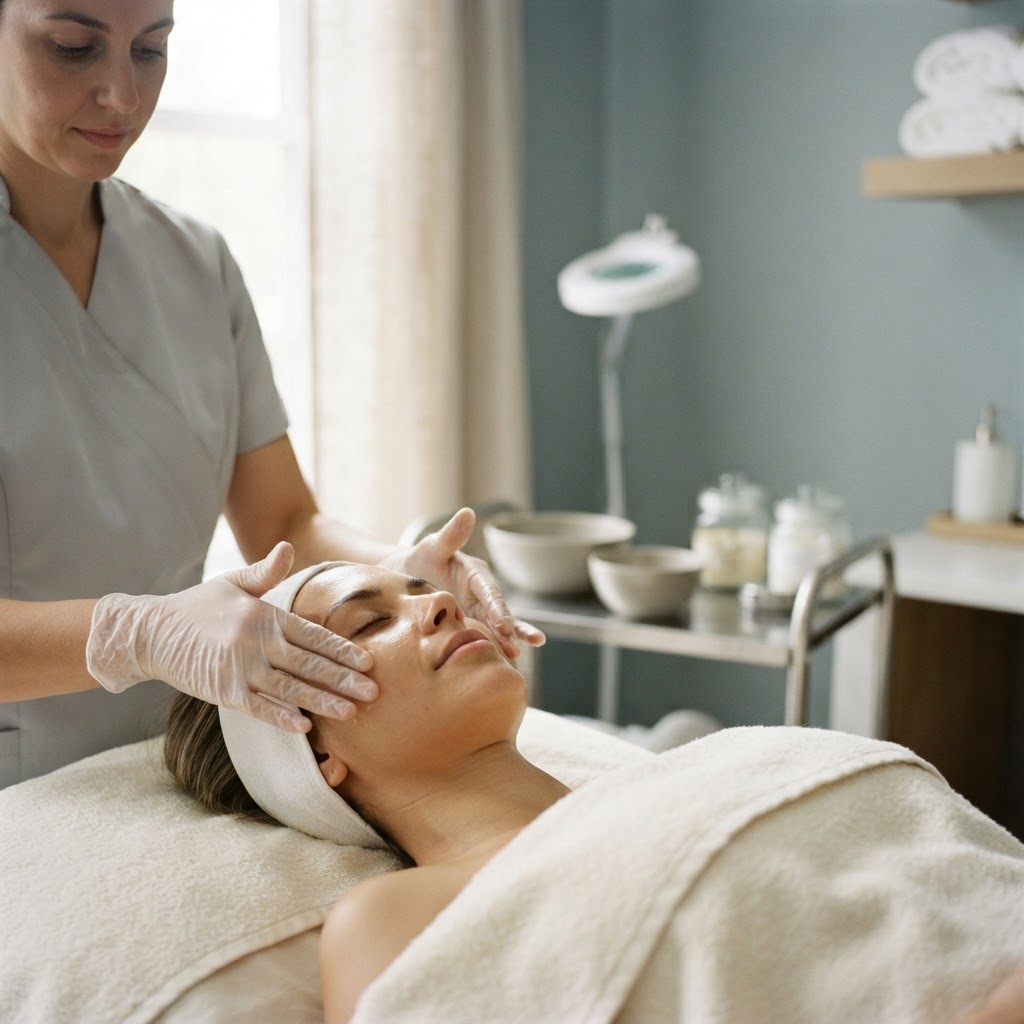
Transitioning Salon Clients to Autumn Skincare: A Therapist's Guide to Barrier Repair
As the seasons shift and temperatures begin to drop across the UK, your salon clients will start to notice changes in their skin — often before they can articulate exactly what is wrong. Dullness, tightness, increased sensitivity, and sudden breakouts are all hallmark signs that the skin's protective barrier is under seasonal stress. For skincare therapists and salon owners, this transition period represents one of the most valuable opportunities of the year: a chance to reassess client skin health, introduce targeted professional barrier repair treatments, and build lasting loyalty through genuinely transformative results.
Autumn is not simply a cosmetic shift. The combination of central heating indoors, cooler wind outdoors, and reduced ambient humidity creates a physiological challenge for the skin that demands a professional response. Clients who managed well throughout the summer may find their existing routines suddenly inadequate. Understanding the science behind these changes — and communicating it clearly — positions your salon as an indispensable partner in long-term skin health rather than a seasonal luxury.
Understanding Seasonal Barrier Disruption
The Science Behind Autumn Skin Changes
The skin barrier, also known as the stratum corneum, functions as the body's first line of defence against environmental aggressors, moisture loss, and microbial invasion. It is composed of corneocytes — flattened, protein-rich skin cells — held together by a lipid matrix of ceramides, cholesterol, and fatty acids. This structure is highly sensitive to environmental humidity, temperature fluctuation, and exposure to harsh elements. As autumn arrives, the sharp contrast between cold outdoor air and dry indoor heating dramatically accelerates transepidermal water loss (TEWL), compromising barrier integrity at a cellular level.
When the barrier is disrupted, the consequences are wide-ranging. Clients may experience heightened reactivity to products they previously tolerated well, persistent dryness that no amount of moisturiser seems to relieve, or an unexpected return of acne-like congestion as the skin overproduces sebum in response to dehydration. Rosacea-prone and eczema-prone clients are particularly vulnerable during this period. Understanding these mechanisms allows therapists to move beyond surface-level treatment and address the root cause of seasonal skin deterioration.
Expert Insight: Barrier disruption is not exclusively a dry skin concern. Oily and combination skin types are equally susceptible to seasonal TEWL — the difference is that excess sebum production can mask the underlying dehydration, making professional assessment even more important.
Identifying Barrier Compromise in Your Clients
Before recommending any treatment plan, a thorough skin consultation is essential. Many clients will present with overlapping concerns that require careful differentiation. A compromised barrier typically presents with one or more of the following indicators:
- Skin that feels tight immediately after cleansing
- Persistent redness or uneven skin tone without a diagnosed condition
- Increased sensitivity or stinging when applying previously well-tolerated products
- A rough, uneven texture despite regular exfoliation
- Breakouts occurring alongside dryness or flaking — a classic sign of dehydration-driven congestion
Training your team to recognise these signs during initial consultations will dramatically improve treatment outcomes and client satisfaction. Investing time at the assessment stage also demonstrates a level of professional care that differentiates your salon from high-street competitors.
Redesigning the Treatment Menu for Autumn
Prioritising Repair Over Renewal
One of the most common therapist mistakes during seasonal transitions is continuing to offer exfoliation-heavy or resurfacing treatments without first evaluating the client's barrier health. Aggressive exfoliation on a compromised barrier — whether mechanical or chemical — will exacerbate sensitivity, delay healing, and potentially lead to post-inflammatory hyperpigmentation in predisposed skin types. Autumn is the time to shift the treatment narrative from renewal and brightening towards restoration, hydration, and protection.
This does not mean abandoning active treatments entirely. Rather, it means sequencing them intelligently. A client with a significantly compromised barrier should complete a dedicated repair phase — typically two to four weeks of gentle, occlusive, and ceramide-rich treatment — before being introduced to any resurfacing actives. Building this staged approach into your treatment protocols not only protects client skin health, but also extends the treatment journey and increases the lifetime value of each client relationship.
Building a Barrier-Focused Treatment Protocol
A professional barrier repair protocol for autumn should address three core priorities: restoring lipid integrity, replenishing hydration, and calming inflammatory responses. In-salon treatments should be complemented by a carefully curated homecare routine that reinforces the work done in the treatment room.
Consider structuring your autumn treatment programme as follows:
- Week one and two: Gentle enzyme or low-acid exfoliation to remove surface build-up without disrupting the barrier, followed by intensive hydration masking and occlusive finishing treatment
- Week three and four: Introduction of ceramide-rich serums and barrier-supportive actives such as niacinamide, alongside continued hydration focus
- Ongoing maintenance: Monthly professional treatments supported by a consistent at-home routine built around barrier-protecting formulations
MONUSKIN's professional skincare range has been specifically formulated to support therapists in delivering this kind of structured, results-driven approach. With targeted formulations designed for salon use, the range offers a cohesive system that makes it straightforward to build coherent treatment plans for a range of skin types and concerns.
Client Communication and Seasonal Consultation Strategy
Framing the Seasonal Skin Conversation
Many clients do not automatically connect their skin concerns to seasonal change. Part of your role as a professional therapist is to educate clients in a way that feels empowering rather than alarming. When you can explain — simply and confidently — that the skin requires the same kind of seasonal maintenance as any other organ, clients are far more likely to invest in a structured treatment plan rather than purchasing a single product and hoping for the best.
Begin autumn consultations by reviewing what the client's skin looked like entering the summer. Ask about any changes they have noticed, however minor. Introduce the concept of the skin barrier in accessible language — many clients respond well to analogies such as comparing the barrier to a protective coat that needs repairing after a long, harsh season. This kind of consultative approach builds trust and positions your expertise as genuinely valuable.
Updating Homecare Recommendations
The homecare recommendations you make in autumn should differ meaningfully from those you made in spring or summer. Clients who were using lightweight gel moisturisers and SPF-heavy daytime products may need to transition to richer, more occlusive formulations as temperatures fall. Key homecare adjustments to discuss with clients include:
- Swapping foaming cleansers for cream or oil-based cleansers that do not strip the barrier
- Introducing a dedicated hydrating serum with hyaluronic acid or beta-glucan beneath their moisturiser
- Incorporating a ceramide-rich overnight treatment to support barrier repair during sleep
- Maintaining broad-spectrum SPF application year-round — UV exposure does not cease in autumn
MONUSKIN's retail product selection offers salon-quality formulations that are highly appropriate for autumn homecare transitions. Recommending products from a unified professional range also ensures consistency between in-salon treatment and at-home maintenance, which is one of the strongest predictors of visible client results.
Expert Insight: Clients who purchase homecare products from their therapist are significantly more likely to rebook treatment appointments. Positioning homecare as an extension of professional treatment — not an add-on — changes the conversation entirely.
Staff Training and Seasonal Readiness
Preparing Your Team for Autumn Demand
A seasonal transition is only as effective as the team delivering it. Before autumn gets fully underway, salon owners and spa managers should invest time in refreshing staff knowledge around barrier function, seasonal skin changes, and the specific treatments and products being offered. Even a short internal training session — focused on recognising barrier compromise and communicating treatment rationale — will meaningfully improve client outcomes and retail conversion.
Role-playing consultations can be particularly effective for building therapist confidence when discussing skin science with clients. Many therapists feel comfortable performing treatments but less confident explaining the underlying reasoning in client-facing language. Bridging this gap is one of the most impactful things a salon manager can do to elevate the overall client experience and justify premium pricing for professional services.
Auditing and Updating Your Treatment Menu
Autumn is the ideal time to review your treatment menu with fresh eyes. Consider which treatments are genuinely serving client skin health during this season and which may need to be adapted or temporarily deprioritised. Adding clearly labelled barrier repair treatments to your menu — rather than burying them within generic facials — signals seasonal expertise and gives clients a clear, compelling reason to book.
Practical steps for a seasonal menu audit include:
- Reviewing treatment descriptions to ensure they reflect current skincare science and seasonal relevance
- Identifying any gaps in your offering — particularly around intensive hydration, sensitivity management, and repair-focused protocols
- Evaluating whether your current product range fully supports the treatments you are promoting
- Considering introductory pricing or seasonal treatment packages to encourage new bookings
Salons that actively communicate seasonal changes to their menu — through social media, email newsletters, and in-salon signage — consistently outperform those that leave clients to seek guidance elsewhere.
Introducing MONUSKIN to Your Seasonal Offering
Why Professional-Grade Formulations Matter This Season
Not all skincare ranges are created equal, and the difference between professional-grade and consumer-grade formulations becomes particularly apparent when treating a compromised barrier. Professional barrier repair treatments rely on higher concentrations of active ingredients, carefully calibrated pH levels, and formulation integrity that simply cannot be replicated in over-the-counter products. When therapists use a professional range in the treatment room and recommend the corresponding retail products for homecare, the results are measurably superior — and clients notice.
MONUSKIN has been developed with the working therapist in mind. The range is designed to integrate seamlessly into existing treatment protocols, with formulations that address the specific challenges of barrier-compromised skin across multiple skin types. Whether you are treating a client with rosacea, post-summer dehydration, or sensitivity triggered by seasonal change, the MONUSKIN system provides the professional tools to deliver visible, lasting results.
Getting Started with MONUSKIN Starter Packs
For salons and spas looking to introduce or expand their professional skincare offering ahead of the autumn season, MONUSKIN starter packs offer an efficient and cost-effective entry point. Designed to give therapists everything they need to begin delivering professional results from day one, the starter packs include a curated selection of treatment products and retail formulations that work cohesively as a system. This removes the guesswork from building a seasonal treatment menu and ensures that every product recommendation you make is backed by genuine professional formulation quality.
Introducing a new skincare range at the start of a season — rather than mid-way through — maximises the impact of your investment and gives your team time to build confidence with the products before client demand peaks. Autumn is precisely the right moment to make that move.
Partner with MONUSKIN to Elevate Your Autumn Treatment Offering
The autumn season represents a genuine turning point in the skin health of your clients — and in the commercial opportunity available to your salon or spa. By leading with expertise, offering structured professional barrier repair treatments, and supporting clients through a meaningful seasonal transition, you build the kind of professional reputation that generates lasting loyalty and consistent revenue.
MONUSKIN is committed to supporting UK salons and spas with professional-grade formulations, practical training resources, and retail solutions that make it easy to deliver exceptional results. Whether you are building a barrier repair protocol from the ground up or looking to refine an existing seasonal offering, the MONUSKIN range provides the clinical credibility and treatment versatility your business needs.
Get in touch with the MONUSKIN team today to explore starter packs, product consultations, and training support designed specifically for professional therapists. Elevate your autumn treatment menu, transform your clients' skin health, and position your salon as the go-to destination for seasonal skincare expertise.