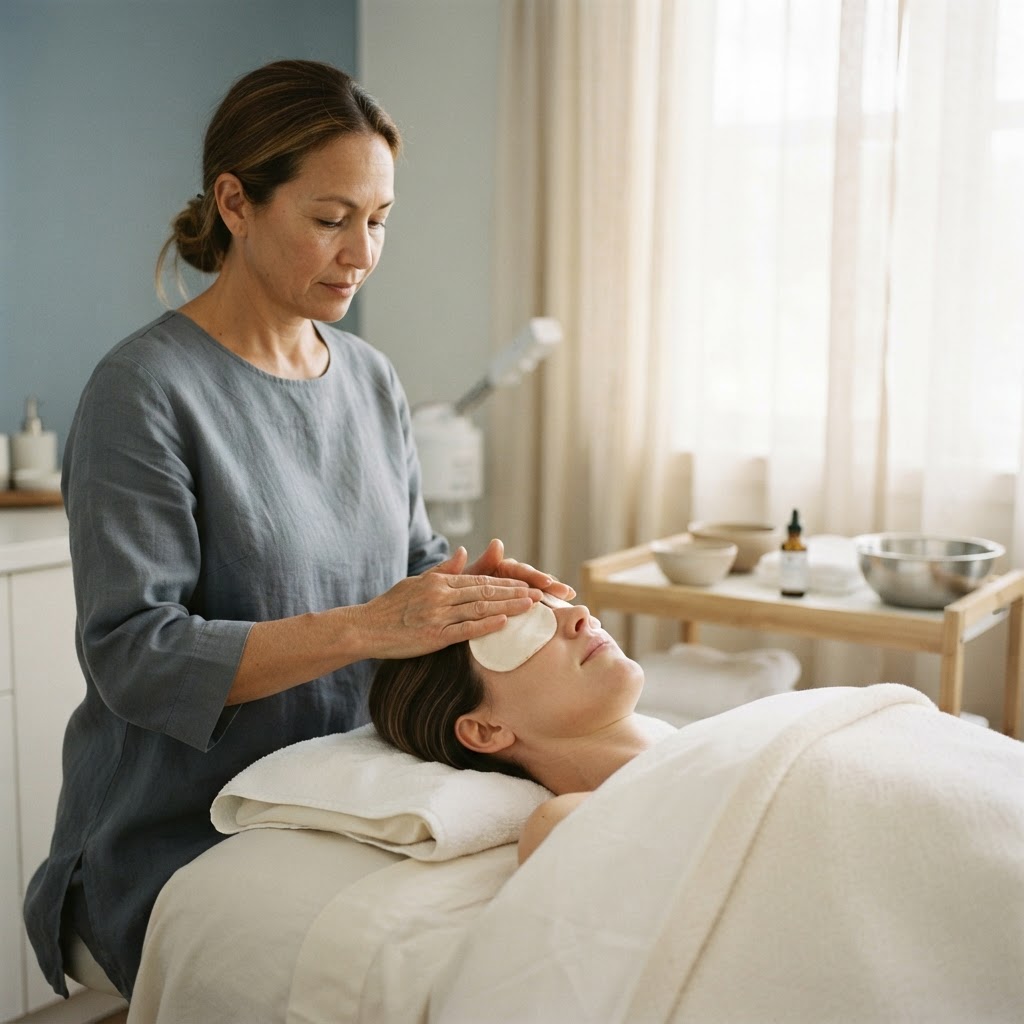
The Professional's Guide to Incorporating Retinol Alternatives into Bespoke Facial Treatments
The skincare industry is undergoing a quiet revolution. As client demand for results-driven treatments continues to rise, beauty professionals across the UK are looking beyond traditional active ingredients to deliver transformative outcomes without compromise. Retinol alternatives for professional facials have emerged as one of the most exciting developments in modern aesthetic practice — offering comparable efficacy with enhanced tolerability for a far broader client base.
Whether you manage a luxury day spa in London or run an independent beauty clinic in Manchester, understanding these next-generation ingredients is no longer optional. It is a professional imperative. This guide will walk you through everything you need to know to incorporate retinol alternatives confidently, safely, and profitably into your bespoke treatment menu.
Why the Industry Is Moving Beyond Traditional Retinol
Retinol has long been regarded as the gold standard in anti-ageing skincare, and for good reason. Its ability to accelerate cell turnover, stimulate collagen synthesis, and address hyperpigmentation is well-documented. However, its widespread use in professional settings has revealed a significant limitation: a substantial proportion of clients simply cannot tolerate it.
Redness, peeling, photosensitivity, and prolonged purging phases are common complaints that lead clients to abandon treatment protocols prematurely. For therapists, this creates a real clinical challenge. How do you deliver meaningful anti-ageing results for sensitive skin types, pregnant clients, rosacea sufferers, or those with compromised barrier function?
The answer lies in a growing family of bioretinoids and retinol-mimicking compounds that deliver similar biological activity through gentler mechanisms. These ingredients have matured significantly in recent years, moving from niche curiosity to mainstream professional use. Understanding them positions your salon or spa as forward-thinking, inclusive, and clinically credible.
Key Retinol Alternatives Worth Adding to Your Professional Toolkit
Not all retinol alternatives are created equal, and it is important to approach each ingredient with the same rigour you would apply to any active compound. The following represent the most evidence-backed options currently available to professional practitioners.
Bakuchiol
Bakuchiol is perhaps the most widely recognised retinol alternative in contemporary skincare. Derived from the seeds of the Psoralea corylifolia plant, this plant-based compound has been shown in peer-reviewed studies to upregulate retinol-responsive genes without binding to retinoic acid receptors. This means clients benefit from improved firmness, reduced fine lines, and more even skin tone — with dramatically reduced irritation risk.
Bakuchiol is suitable for use across a wide range of skin types, including sensitive, reactive, and compromised skin. It is also considered safe for use during pregnancy, making it an invaluable addition to treatments for expectant clients who still wish to maintain their skincare results. In professional formulations, bakuchiol works synergistically with peptides and antioxidants to amplify its efficacy within a single treatment protocol.
Expert Tip: When introducing bakuchiol to a new client, pair it with a barrier-supporting serum containing ceramides or niacinamide. This layering approach maximises results whilst reinforcing the skin's natural defences — a particularly important consideration for clients transitioning from traditional retinol.
Granactive Retinoid (Hydroxypinacolone Retinoate)
Hydroxypinacolone retinoate (HPR), commonly marketed under the trade name Granactive Retinoid, is a retinoic acid ester that communicates directly with retinoid receptors in the skin. Unlike retinol, it requires no conversion process within the skin, meaning it delivers its effects more efficiently and with less associated irritation. This makes it particularly compelling for professional use where results need to be visible within a treatment course.
HPR is well-tolerated by most skin types and does not carry the same photosensitivity risks associated with prescription-strength retinoids. It can be incorporated into evening treatment protocols and layered with other actives more freely than traditional retinol. For therapists building bespoke anti-ageing programmes, HPR offers an excellent middle ground between botanical alternatives and pharmaceutical-grade interventions.
Sea Buckthorn and Vitamin A Precursors
Several plant-derived oils — most notably sea buckthorn — contain naturally occurring carotenoids that the body can convert into vitamin A activity within the skin. These precursor compounds offer a gentler, more holistic approach that aligns particularly well with natural and organic treatment philosophies.
Whilst the conversion rate is less predictable than direct retinoic acid derivatives, these ingredients bring with them a wealth of additional benefits including essential fatty acids, antioxidants, and anti-inflammatory compounds. They are an excellent choice for reactive skin types or clients who prefer a wellness-led approach to their skincare.
Building a Bespoke Treatment Protocol Around Retinol Alternatives
Incorporating retinol alternatives into your facial menu requires more than simply swapping one active for another. True bespoke treatment demands a thorough understanding of each client's skin, lifestyle, and goals, combined with a strategic approach to ingredient layering and treatment frequency.
Begin every new client journey with a comprehensive skin consultation. Identify not only skin type and primary concerns, but also medication history, hormonal factors, and previous reactions to active ingredients. This intelligence shapes every product selection decision that follows. Clients who have previously struggled with retinol will need careful reassurance alongside a clear explanation of how the alternatives you are recommending differ mechanistically.
Consider structuring your protocols in three distinct phases:
- Phase 1 – Preparation (Weeks 1–2): Focus on barrier repair and hydration. Introduce gentle exfoliation and establish the skin's baseline resilience before introducing any active compounds.
- Phase 2 – Activation (Weeks 3–6): Introduce your chosen retinol alternative at appropriate concentrations. Monitor client response carefully and adjust frequency as needed.
- Phase 3 – Maintenance (Ongoing): Consolidate results with regular professional treatments supported by a tailored home-care routine. This phase is critical for client retention and long-term results.
Key Insight: Clients who understand why their treatment plan is structured in phases are significantly more likely to complete the full protocol and return for maintenance appointments. Education is one of the most powerful tools in your retention strategy.
Managing Client Expectations and Educating Your Team
One of the most common mistakes practitioners make when transitioning to retinol alternatives is failing to set realistic expectations with clients. These ingredients deliver meaningful results, but the timeline may differ from what clients have read about in consumer press — particularly if they are accustomed to the dramatic (and often uncomfortable) effects of high-strength retinol.
Train your team to communicate the unique value proposition of retinol alternatives with confidence. The key messages to reinforce are:
- Results are achieved with significantly less discomfort and downtime
- The skin barrier is supported rather than compromised throughout treatment
- Protocols are inclusive — suitable for sensitive skin, reactive skin, and a broader age range
- Long-term skin health is prioritised alongside visible aesthetic improvement
Invest in regular team training sessions to keep your therapists current with ingredient science. Encourage them to experience treatments themselves where appropriate, as first-hand knowledge builds authentic confidence when speaking with clients. A therapist who can speak knowledgeably about the difference between bakuchiol and HPR, for example, immediately elevates your salon's professional credibility.
Providing take-home literature or digital aftercare guides reinforces your expertise beyond the treatment room. It also reduces post-treatment anxiety for clients who are new to active skincare and may have questions after they leave.
Integrating Retinol Alternatives into Your Existing Menu
You do not need to overhaul your entire treatment menu to begin capitalising on this trend. Strategic integration is far more effective than wholesale change, and it allows you to test client response and refine your protocols before making larger investments.
Start by identifying two or three existing treatments that would benefit from an upgraded active ingredient approach. Signature facials aimed at mature skin concerns are an obvious candidate, as are treatments marketed towards sensitive or reactive skin types. Consider introducing a dedicated "Intelligent Anti-Ageing" facial that positions retinol alternatives as a feature rather than a footnote.
When developing your retail offering to complement in-salon treatments, ensure your home-care recommendations align with your in-clinic protocols. Clients who use compatible products between appointments see significantly better results, which in turn strengthens your professional reputation. This consistency between professional and retail product ranges is an area where MONUSKIN's formulations offer particular strength, with products designed to work cohesively across both environments.
Key considerations when updating your menu include:
- Pricing strategy: Treatments featuring advanced active ingredients can command a premium. Ensure your pricing reflects the expertise and product investment involved.
- Treatment names and descriptions: Use language that communicates results without making unsubstantiated medical claims. Words like "visibly", "helps to", and "supports" keep you compliant whilst still being compelling.
- Contraindications: Even gentle retinol alternatives require a clear contraindication protocol. Review these carefully and ensure all client consultation forms are updated accordingly.
The Importance of Formulation Quality in Professional Practice
Not all professional skincare formulations are equivalent, and this truth has never been more relevant than when working with active ingredients. Concentration, delivery system, and formula stability all determine whether an ingredient performs as intended or simply sits inert within a product.
When evaluating products for professional use, look beyond marketing claims and examine the full ingredient list. Active ingredients should appear at functional concentrations — not merely as marketing add-ons. Delivery systems such as encapsulation technology can significantly enhance the penetration and stability of sensitive actives like bakuchiol and HPR, maximising their efficacy within a timed treatment.
MONUSKIN Professional Skincare formulates with this professional rigour at its core. Products are developed with therapist-led treatment protocols in mind, ensuring that active ingredients are present at concentrations that deliver visible clinical results. For salons and spas looking to build a cohesive treatment offering around retinol alternatives, MONUSKIN's range provides a reliable, professionally validated foundation.
Partner with MONUSKIN to Elevate Your Treatment Offering
If you are ready to take your treatment menu to the next level with evidence-backed retinol alternatives, MONUSKIN Professional Skincare is your ideal professional partner. Our formulations are designed specifically for the UK professional market, combining ingredient science with practical treatability — giving your therapists the tools to deliver exceptional, consistent results.
Our professional starter packs are an ideal way to explore the MONUSKIN range without a significant upfront commitment. Curated to support bespoke facial protocols, they include everything you need to begin offering results-driven treatments with confidence. Each pack is supported by professional training materials, treatment guides, and direct access to our expert team.
Joining the MONUSKIN professional family means access to:
- Ongoing education and ingredient training to keep your team at the forefront of the industry
- Dedicated account support from professionals who understand the realities of running a salon or spa
- Regularly updated treatment protocols that reflect the latest ingredient science
- Exclusive professional pricing on a product range trusted by therapists across the UK
The demand for sophisticated, inclusive, results-driven skincare is only growing. Your clients are more informed than ever, and they are actively seeking out professionals who can meet their needs with intelligence and care. By incorporating premium retinol alternatives into your bespoke facial treatments — backed by MONUSKIN's professional formulations — you are not just keeping pace with the industry. You are leading it.
Get in touch with the MONUSKIN team today to learn more about our professional starter packs, request a product demonstration, or discuss how we can support your salon's growth. Your next chapter in professional skincare excellence begins here.