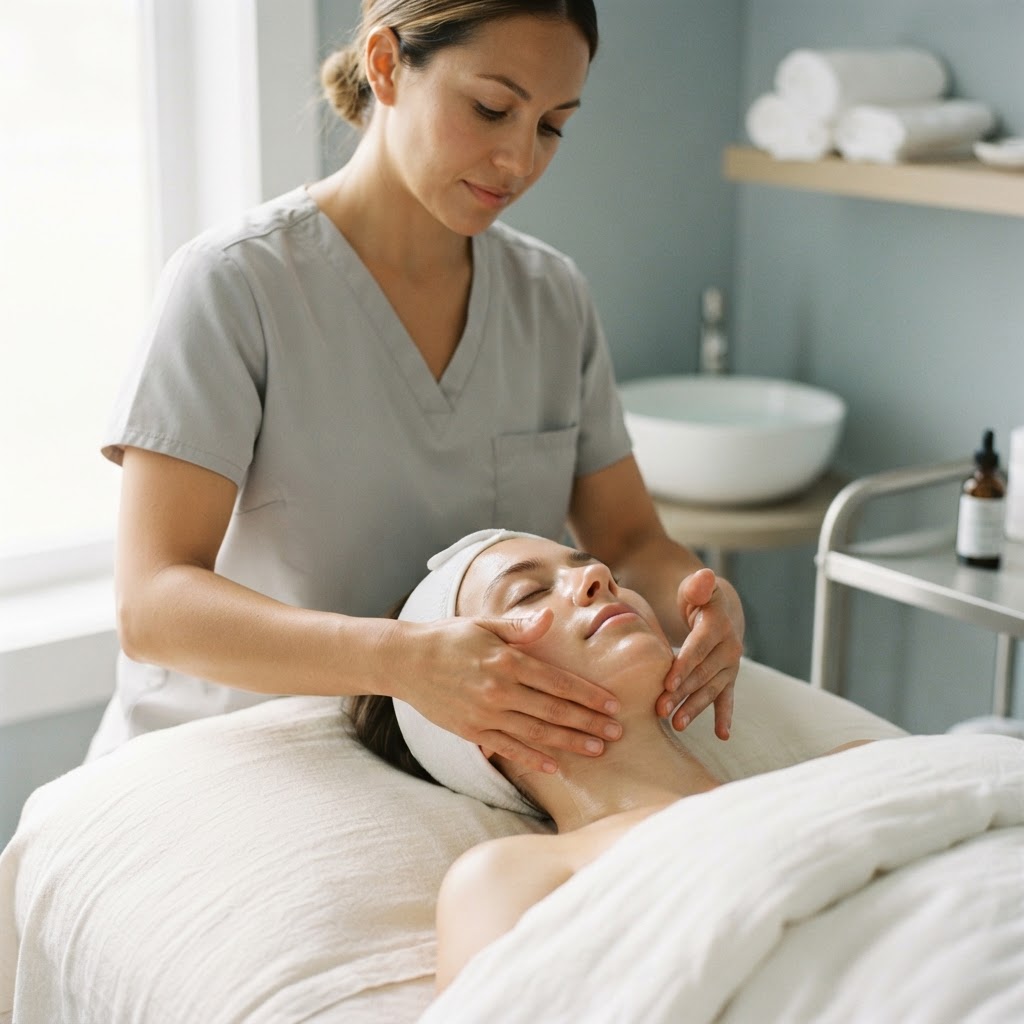
Manual lymphatic drainage has long been recognised in clinical and aesthetic settings as one of the most powerful yet underutilised techniques available to skincare therapists. When applied correctly within a facial treatment protocol, it delivers remarkable skin brightening results that clients often describe as transformative. For UK salon owners and spa managers looking to elevate their service menu, understanding and mastering manual lymphatic drainage for facial brightening is no longer optional — it is a professional imperative.
Understanding the Lymphatic System and Its Role in Skin Radiance
The lymphatic system is a vast network of vessels, nodes, and fluid that works quietly beneath the skin's surface, performing one of the body's most essential functions: waste removal. Unlike the circulatory system, which has the heart as its pump, the lymphatic system relies entirely on movement, muscle contractions, and manual manipulation to keep fluid flowing efficiently. When lymphatic drainage slows — due to stress, inactivity, poor diet, or simply the ageing process — fluid accumulates in the interstitial tissues, leading to puffiness, dullness, and a lacklustre complexion.
For the skin specifically, sluggish lymph flow means that metabolic waste, toxins, and cellular debris are not being cleared effectively from the dermal layers. This creates an environment where skin appears congested, uneven in tone, and chronically tired-looking. Pigmentation can appear more pronounced, and the skin's natural luminosity becomes masked beneath a build-up of stagnant fluid and cellular waste products. Understanding this mechanism is what gives therapists the foundational knowledge to use manual lymphatic drainage purposefully, rather than simply as a relaxation add-on.
In facial aesthetics, lymphatic drainage stimulates microcirculation, encourages the removal of excess interstitial fluid, and supports the delivery of oxygen and nutrients to skin cells. The result, when performed consistently and correctly, is a visibly brighter, more even, and refined complexion. This is the physiological basis upon which every skilled facial therapist should build their technique.
The Science Behind Post-Facial Skin Brightening
Following any professional facial treatment — whether it involves exfoliation, enzyme peels, microneedling, or LED therapy — the skin enters a heightened state of activity. Cellular turnover increases, product absorption is optimised, and the skin is temporarily more responsive to both therapeutic and environmental influences. This is precisely the window in which manual lymphatic drainage delivers its most impressive brightening outcomes.
During and after active facial treatments, localised inflammation is a natural and often desirable response. However, if this inflammatory response is not properly managed and resolved, it can contribute to post-treatment redness, prolonged sensitivity, and in some cases, post-inflammatory hyperpigmentation. By incorporating lymphatic drainage at the conclusion of a facial protocol, therapists actively accelerate the resolution of this controlled inflammation, helping to calm the skin whilst simultaneously flushing away the by-products of cellular activity.
The brightening effect is also deeply connected to improved oxygenation and nutrient delivery at the cellular level. As stagnant lymph is cleared and fresh fluid circulates more freely, skin cells receive better nourishment, which directly translates to improved radiance, clarity, and an evenness of tone that clients notice immediately. When paired with targeted brightening serums and treatment products — such as those within the MONUSKIN professional range — the results are further amplified, as active ingredients are absorbed into a more receptive and better-prepared skin environment.
Expert Insight: The post-facial window of approximately 20–30 minutes is the optimal time to perform lymphatic drainage. Skin permeability is elevated, microcirculation is active, and the lymphatic vessels are primed to respond to gentle manual stimulation.
Core Manual Lymphatic Drainage Techniques for the Face
Mastering facial lymphatic drainage requires precision, consistency, and an understanding of lymphatic anatomy specific to the head and neck. Unlike body massage, which can tolerate a variety of pressures, facial lymphatic drainage demands an exceptionally light touch — typically no more than 30–40 mmHg of pressure, which is roughly equivalent to the weight of a five-pence coin resting on the skin.
Establishing the Drainage Pathway
Before beginning any facial lymphatic sequence, therapists must first open the key lymph node clusters that drain the face. These include the submandibular nodes beneath the jaw, the cervical nodes along the side of the neck, and the supraclavicular nodes at the base of the neck near the collarbone. By stimulating these nodes first, you create a clear pathway for fluid to drain efficiently as you work on the face itself.
The technique used at these nodes is typically a gentle, rhythmic pumping or stationary circle movement. Each pump should be slow and deliberate — approximately one movement per second — to match the natural, slow rhythm of lymphatic vessel contractions. Rushing this stage is one of the most common errors therapists make, and it significantly reduces the effectiveness of the entire sequence that follows.
Facial Drainage Sequences
Once the drainage pathways are open, the facial sequence should follow a structured, directional approach that moves fluid from the centre of the face outward and downward toward the established drainage points. Key movement patterns include:
- Stationary circles over the forehead, cheeks, and chin to stimulate local lymphatic capillaries
- J-stroke movements along the jawline, directing fluid toward the submandibular nodes
- Effleurage strokes from the nose outward across the cheeks toward the preauricular nodes in front of the ears
- Gentle pumping along the sides of the neck, finishing with long strokes sweeping down toward the supraclavicular nodes
- Periorbital drainage around the eye socket using the ring finger, working from inner to outer corner
Each sequence should be performed bilaterally and repeated between three and five times before moving to the next area. The entire facial lymphatic sequence typically takes between fifteen and twenty-five minutes when performed as a standalone post-treatment protocol.
Contraindications and Safety Considerations
Professional accountability demands that therapists have a thorough understanding of when manual lymphatic drainage is contraindicated. This is particularly important in a UK professional context, where client safety and regulatory compliance are paramount.
Contraindications include:
- Active skin infections, including bacterial or viral breakouts
- Confirmed or suspected malignancy in the head and neck region
- Acute inflammation or flare-ups of inflammatory skin conditions such as rosacea
- Recent surgical procedures in the facial or cervical area without medical clearance
- Uncontrolled thyroid conditions or known lymphatic disorders
- Clients on blood-thinning medications without GP approval
Always conduct a thorough consultation prior to treatment and update client records at each visit. In cases of uncertainty, seek written GP approval before proceeding.
Integrating Lymphatic Drainage into Your Facial Menu
One of the most effective commercial strategies for UK salon owners is to position manual lymphatic drainage as a premium enhancement rather than a standard inclusion. When presented correctly, clients perceive it as a specialist, results-driven addition to their treatment experience, which justifies premium pricing and encourages repeat bookings.
Consider creating tiered facial menu options that include a standard facial, a results-focused facial, and a signature brightening facial that specifically features a full lymphatic drainage sequence. This structure allows clients to self-select their investment level whilst clearly communicating the added value of the enhanced protocols. Educating your front-of-house team to articulate the benefits of lymphatic drainage in accessible, client-friendly language is equally important in converting consultations into bookings.
Professional Tip: Train your entire therapist team to perform at least a foundational lymphatic drainage sequence, even as part of shorter express facials. Consistency of technique across your team builds your salon's reputation as a specialist destination for results-driven skin treatments.
From a product integration standpoint, the treatment medium used during lymphatic drainage should complement the skin's post-treatment state. Lightweight, hydrating serums with brightening actives — such as vitamin C derivatives, niacinamide, or hyaluronic acid — work synergistically with lymphatic drainage, as the improved microcirculation enhances their absorption and efficacy. The MONUSKIN professional product range includes formulations specifically developed to support post-facial skin recovery and brightening, making them an ideal companion to lymphatic drainage protocols.
Training, CPD, and Building Professional Confidence
For therapists who have not yet received formal training in manual lymphatic drainage, investing in accredited CPD training is strongly recommended before adding this technique to your service menu. Whilst a foundational understanding of Swedish massage provides some transferable knowledge, lymphatic drainage is a distinct discipline that requires specific anatomical knowledge and technique refinement. In the UK, several professional bodies including CIDESCO, BABTAC, and VTCT offer or endorse relevant qualifications.
Beyond initial training, building genuine confidence in lymphatic drainage comes from consistent practice and self-reflection. Consider practising sequences on colleagues, attending advanced workshops, and reviewing technique through video analysis where possible. Therapists who invest in mastering this skill report not only improved client outcomes but also increased job satisfaction and a stronger professional identity within their team.
Incorporating regular skills reviews and team training sessions into your salon's CPD calendar ensures that lymphatic drainage remains a refined, consistent offering rather than a technique that deteriorates over time through infrequent use. Pairing technique training with product knowledge sessions — particularly around the MONUSKIN starter packs designed for professional use — helps therapists feel fully equipped to deliver comprehensive, results-driven facial treatments with confidence.
Elevate Your Brightening Treatments with MONUSKIN Professional
If you are ready to take your facial menu to the next level and offer clients genuinely transformative brightening results, partnering with MONUSKIN Professional Skincare provides you with both the product expertise and the professional support to make that vision a reality. MONUSKIN's professionally formulated range has been developed with the needs of UK therapists firmly in mind, combining evidence-informed actives with textures and formulations that perform beautifully within clinical and spa settings alike.
Our MONUSKIN professional starter packs are specifically designed to give salon owners and therapists everything they need to introduce or enhance brightening facial protocols without the complexity of building a product portfolio from scratch. Each starter pack is curated to work cohesively, allowing you to deliver consistent, professional-grade results from your very first treatment. Combined with a well-executed manual lymphatic drainage protocol, these products become powerful tools for visible skin transformation.
We invite UK salon owners, spa managers, and independent therapists to explore the MONUSKIN professional range and discover how our products can complement and elevate your existing treatment protocols. Contact our professional team today to discuss the right starter pack for your business, request a consultation, or find out more about our therapist support programme. Your clients deserve exceptional results — and with MONUSKIN, exceptional is exactly what you will deliver.