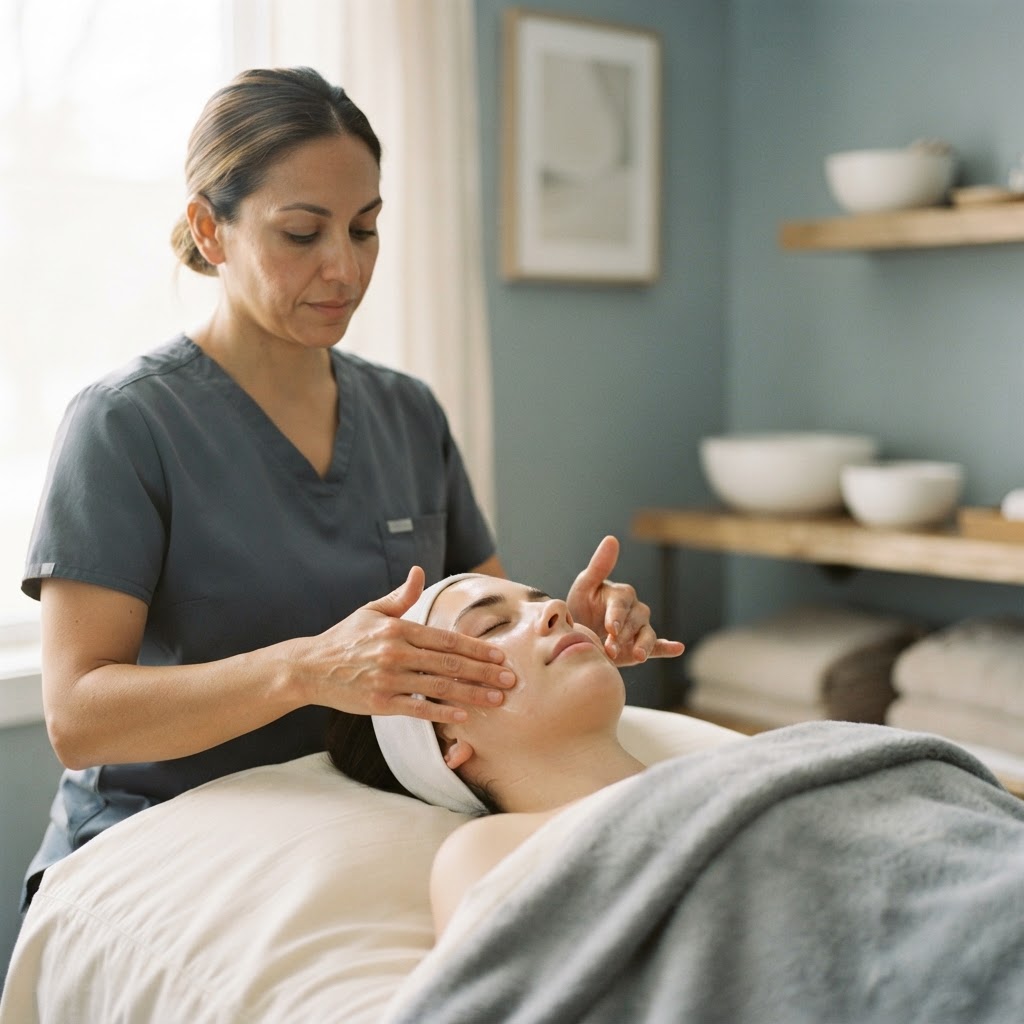
As the temperature drops and central heating cranks up across the UK, your treatment room becomes both a refuge and a battleground for your clients' skin. The cold, biting air outside and the dry, artificial warmth inside create a perfect storm of conditions that accelerate transepidermal water loss (TEWL) — the invisible yet relentless escape of moisture through the skin's barrier. For professional therapists, understanding and addressing this seasonal phenomenon is not just good practice; it is the difference between a client who returns glowing and one who leaves feeling tight, sensitised, and underwhelmed. Winter skincare demands a more strategic, science-led approach, and your treatment protocols should reflect that shift.
Understanding Transepidermal Water Loss in Winter
Transepidermal water loss refers to the passive diffusion of water vapour through the epidermis and into the surrounding environment. Unlike sweating, TEWL is an involuntary process that occurs continuously, and its rate is largely determined by the integrity of the skin's outermost protective layer — the stratum corneum. When this barrier is healthy, it functions like cling film, slowing moisture loss and shielding deeper skin structures from environmental aggressors. When compromised, it becomes more akin to a sieve.
In winter, several environmental factors converge to dramatically increase TEWL rates. Cold air holds significantly less moisture than warm air, meaning the humidity outdoors drops considerably, drawing moisture from exposed skin. Indoors, central heating systems further strip humidity from the air, often reducing indoor relative humidity to below 30% — well beneath the 40–60% range that supports healthy skin function. The repeated transition between these two extremes — cold outside, warm inside — places the skin under constant osmotic stress.
For your clients, this manifests as tightness, flaking, increased sensitivity, and in some cases, the exacerbation of chronic conditions such as eczema, rosacea, and psoriasis. As a therapist, recognising that elevated TEWL is the root cause of most winter skin complaints allows you to approach seasonal treatments with far greater precision and confidence.
How Winter Conditions Alter Facial Treatment Outcomes
Winter is not simply a time to layer on more moisturiser and hope for the best. It fundamentally changes how the skin responds to professional treatments, and failing to adapt your protocols accordingly can lead to unexpected reactions and diminished results. Skin that is already barrier-compromised from high TEWL is considerably more reactive, meaning treatments that clients tolerate comfortably in summer may cause redness, irritation, or prolonged sensitivity in the colder months.
Exfoliation, for example, requires careful reassessment during winter. Aggressive chemical peels or mechanical exfoliation on a compromised barrier can strip away what little protection remains, spiking TEWL further and triggering inflammation. Similarly, steam treatments and prolonged water exposure during cleansing phases can paradoxically dehydrate the skin if not immediately followed by occlusive or barrier-supporting products. The evaporation of water from the skin's surface post-steam can accelerate moisture loss rather than delivering the hydration your client expects.
Understanding these nuances positions you as a credible, knowledgeable professional who goes beyond surface-level treatments. Clients who feel their therapist truly understands their skin's seasonal behaviour are far more likely to book regular appointments throughout the winter months, invest in retail aftercare, and recommend your salon to others.
Adapting Your Treatment Protocols for Winter
Pre-Treatment Assessment and Barrier Analysis
Every winter facial should begin with a thorough skin analysis that specifically assesses barrier function and hydration levels. Look for visible signs of compromised barrier integrity, including:
- Pronounced tightness or discomfort when the client moves facial muscles
- Visible fine flaking or rough texture without underlying congestion
- Heightened sensitivity or stinging during cleanse
- Erythema that appears disproportionate to the products used
- A dull, lacklustre complexion lacking natural radiance
Ask targeted consultation questions about your client's home environment — do they use central heating heavily? Do they work in air-conditioned offices? Have they noticed their skin changing since the temperatures dropped? This information is clinically valuable and helps you tailor both the in-clinic treatment and the homecare recommendations that follow.
Expert Tip: Consider introducing a simple skin barrier health questionnaire as part of your winter consultation process. Asking clients to rate tightness, sensitivity, and dryness on a scale of one to ten before and after a course of treatments provides tangible evidence of improvement — a powerful retention and rebooking tool.
Modifying Cleansing and Exfoliation Steps
During winter, your cleansing phase should prioritise barrier preservation over deep purification. Swap foam or gel cleansers for richer, cream or oil-based formulations that dissolve impurities without disrupting the lipid matrix of the stratum corneum. Double cleansing remains appropriate, but both steps should use gentle, non-stripping formulations.
When it comes to exfoliation, the winter rule is less is more. If your standard protocol includes enzyme exfoliation, consider reducing the contact time or diluting the concentration for clients showing signs of barrier compromise. Low-percentage lactic acid is often preferable to glycolic acid in winter, as it exfoliates whilst simultaneously drawing moisture into the skin via its humectant properties. Avoid physical scrubs on sensitised winter skin altogether — the micro-abrasions they create are an open invitation to increased TEWL and potential infection.
Prioritising Barrier Repair and Humectant Layering
The treatment phase is where you can make the most meaningful difference in combatting transepidermal water loss winter skincare concerns. A barrier-focused approach layers ingredients strategically to attract, hold, and seal moisture within the skin.
Work with a three-step approach during your serum and masque phase:
- Humectants first — ingredients such as hyaluronic acid, glycerin, and beta-glucan attract water to the skin from the environment and deeper skin layers
- Emollients next — plant oils, squalane, and ceramides soften and fill gaps within the stratum corneum, improving texture and suppleness
- Occlusives to finish — heavier butters or wax-based ingredients form a physical film over the surface, dramatically slowing TEWL and locking in the layers beneath
This approach mirrors the professional protocols recommended within the MONUSKIN Professional Skincare range, which is formulated with exactly this clinical logic in mind. MONUSKIN's targeted serums and barrier creams are designed to work synergistically in a layering format, making them particularly well-suited to winter facial protocols where TEWL management is the primary objective.
Retail Recommendations to Reinforce In-Clinic Results
Even the most expertly delivered professional facial will be undermined within days if your client returns home to an inadequate skincare routine. Winter homecare should be treated as an extension of your in-clinic treatment, and your retail recommendations need to reflect the same barrier-repair philosophy you apply in the treatment room.
When advising clients on winter homecare, focus on these key upgrades:
- Replace any existing foaming or gel cleansers with cream or balm formulations that cleanse without disrupting the skin's acid mantle
- Introduce a dedicated hyaluronic acid serum to be applied to damp skin morning and evening, immediately followed by moisturiser to trap hydration in place
- Upgrade nighttime moisturisers to a richer, more occlusive formulation — overnight is when the skin undergoes the most repair, and a heavier barrier cream supports this process
- Recommend a facial oil to be applied over moisturiser in the evening as an additional occlusive layer
- Encourage the use of a bedroom humidifier, particularly for clients with central heating, to counteract the drying effects of indoor air
MONUSKIN's retail-ready product range offers therapists a straightforward and confident retail pathway, with clear product benefits that are easy to communicate to clients. If you are not yet stocking MONUSKIN products in your salon, the MONUSKIN starter packs offer an accessible and low-risk entry point, providing a curated selection of professional and retail-size products specifically designed to address common skin concerns — including seasonal TEWL.
Expert Tip: Create a dedicated Winter Skin Edit display in your reception area using your MONUSKIN retail stock. Grouping products by concern — hydration, barrier repair, sensitivity — makes it easy for clients to self-select and encourages retail purchases without requiring a hard sell.
Designing a Winter Facial Menu That Sells
From a business perspective, winter is an opportunity rather than an obstacle. Clients whose skin is struggling are actively seeking solutions, which makes them highly receptive to targeted treatment recommendations. A well-constructed winter facial menu communicates expertise and drives bookings throughout what can otherwise be a quieter period for salons and spas.
Consider introducing a Winter Barrier Rescue Facial as a seasonal treatment, explicitly positioned around transepidermal water loss and barrier repair. The name itself signals specialist knowledge and justifies a premium price point. Pair it with a homecare consultation included in the treatment time, and offer a discounted retail bundle of two or three MONUSKIN products to take away — this increases average spend per visit whilst reinforcing results between appointments.
Courses of three or six treatments booked and paid for in advance provide both cash flow stability and client retention. Frame these as a winter skin recovery programme, with measurable outcomes such as improved hydration levels, reduced sensitivity, and a restored healthy glow by the new year. Clients respond powerfully to transformation narratives, and winter-to-spring skin renewal is a compelling one.
Training Your Team to Communicate TEWL Confidently
Knowledge is only powerful when it is consistently communicated across your entire team. If you manage a salon or spa with multiple therapists, investing time in team training around winter skin science will elevate the quality of consultations and increase client confidence in your brand. A therapist who can explain, simply and clearly, why the skin behaves differently in winter and what the treatment plan involves will always outperform one who simply applies products without context.
Role-play consultation scenarios during team meetings, focusing on how to explain TEWL in client-friendly language without dumbing down the science. Phrases like "your skin's protective barrier is working much harder in winter, and our job today is to help it recover" are accessible, credible, and set clear expectations. Equip your team with MONUSKIN product knowledge so that retail recommendations flow naturally from the treatment conversation rather than feeling like an afterthought.
Partner with MONUSKIN and Elevate Your Winter Protocols
Winter represents one of the most significant opportunities in the professional skincare calendar, and the therapists and salon owners who embrace it with confidence, knowledge, and the right product partnerships will see measurable returns — in client satisfaction, retail revenue, and long-term loyalty. MONUSKIN Professional Skincare is designed precisely for practitioners who take their craft seriously and want a brand that matches their clinical ambition.
From expertly formulated treatment products that address transepidermal water loss winter skincare concerns at a cellular level, to accessible starter packs that make it simple to introduce the range into your existing menu, MONUSKIN offers everything you need to deliver outstanding winter results. Join the growing community of UK skincare professionals who trust MONUSKIN to help them perform at their best, season after season.
Explore the MONUSKIN Professional range today and discover how our starter packs can transform your winter treatment menu. Contact the MONUSKIN team to discuss your salon's specific needs and find the right introduction to the range for your business.