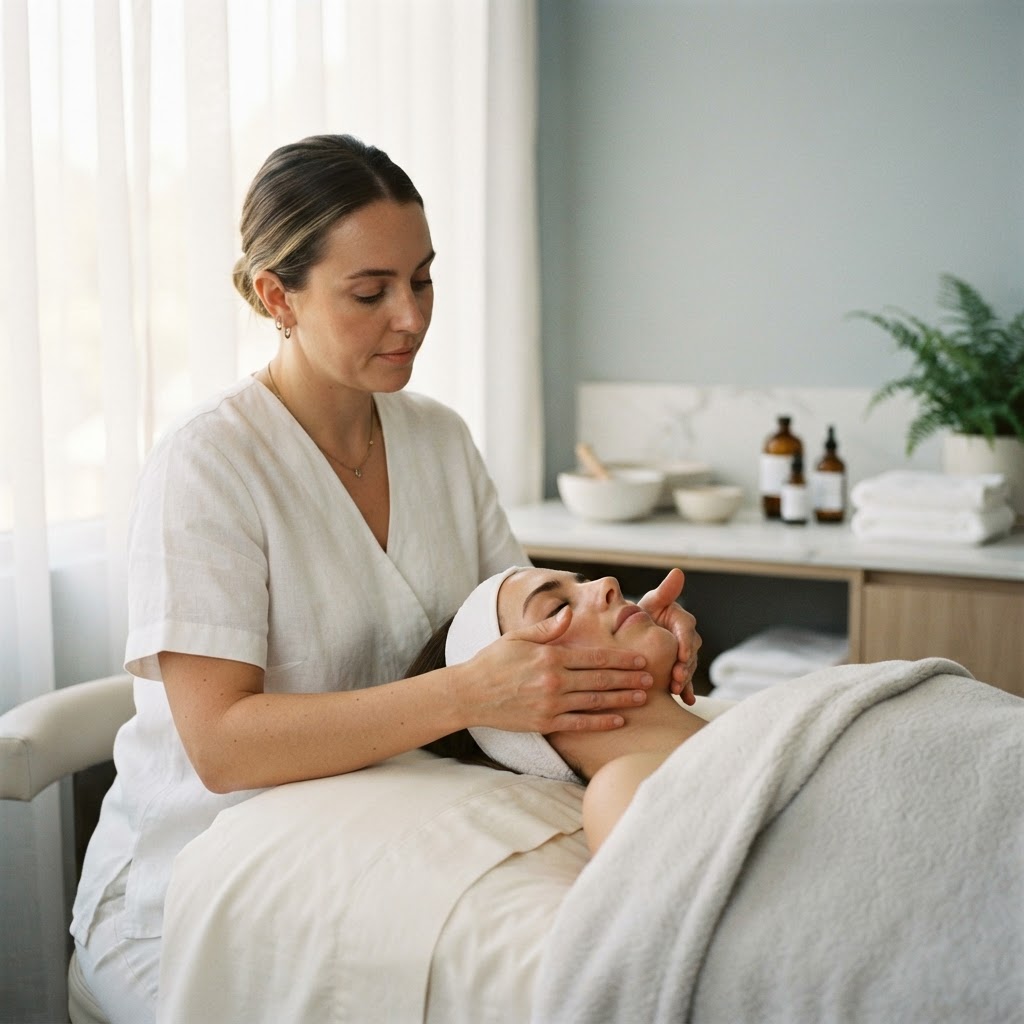
The skin barrier is no longer simply a topic for dermatology textbooks — it has become one of the most commercially important conversations happening across UK salons and spas right now. Clients are arriving with compromised, sensitised, and over-treated skin in greater numbers than ever before, and they are actively seeking professional guidance. For skincare therapists and salon owners, understanding professional skin barrier function is not just good science; it is a genuine competitive advantage that can elevate your treatment outcomes and build lasting client loyalty.
Understanding the Skin Barrier: The Science Behind the Shield
The skin barrier, more precisely referred to as the stratum corneum, is the outermost layer of the epidermis and serves as the body's primary interface with the external environment. It is composed of corneocytes — flattened, protein-rich cells — held together by a matrix of lipids including ceramides, cholesterol, and free fatty acids. This structure is often described using the "brick and mortar" model, where the corneocytes are the bricks and the lipid matrix is the mortar that seals everything together.
What makes this structure clinically significant is its dual function. On one side, it prevents transepidermal water loss (TEWL), maintaining the skin's essential hydration levels. On the other, it acts as a defensive shield against environmental aggressors — pollutants, allergens, pathogens, and UV radiation. When this barrier is healthy, skin appears plump, calm, and resilient. When it is compromised, the consequences are visible and uncomfortable for clients.
Barrier dysfunction manifests in a range of presentations that most therapists encounter daily. Redness, flaking, stinging upon product application, increased sensitivity, and a general feeling of tightness are all hallmark signs. Understanding these presentations as barrier-level issues rather than surface-level concerns is the first step towards delivering truly transformative professional skincare treatments.
What Disrupts the Skin Barrier in Modern Clients?
Modern lifestyles and, paradoxically, modern skincare habits are among the leading causes of barrier disruption seen in salon clients today. The widespread adoption of active ingredient-heavy home care routines — particularly those featuring high-strength retinoids, acids, and enzyme exfoliants used without professional guidance — has resulted in a generation of clients with chronically stressed skin. Social media has accelerated this trend significantly.
Environmental factors are equally disruptive. Urban pollution, hard water, central heating, and air conditioning all erode the lipid matrix over time, gradually reducing the barrier's effectiveness. Seasonal changes, particularly the transition into winter months in the UK, consistently trigger a spike in barrier-related concerns as clients experience dryness and sensitivity they cannot resolve with standard moisturisers.
Common client-side contributors to barrier compromise include:
- Over-exfoliation — using acid toners, scrubs, and enzyme masks too frequently
- Inappropriate cleansing — harsh surfactants stripping the skin's natural oils
- Steroid use — including over-the-counter hydrocortisone creams used long-term
- Stress and poor sleep — elevating cortisol, which suppresses ceramide production
- Medical treatments — such as chemotherapy or certain acne medications
Expert Insight: When conducting client consultations, always ask about their current home care routine in detail. Many clients presenting with 'sensitive' skin are actually experiencing iatrogenic barrier damage — disruption caused by their own skincare products. Identifying this early changes the entire treatment approach.
The Role of Bio-Active Ingredients in Barrier Restoration
Bio-active ingredients are those which have a measurable, evidence-based effect on biological processes within the skin. In the context of professional skin barrier function, the most relevant bio-actives are those that either replenish depleted structural components or stimulate the skin's own repair mechanisms. This distinction is important — some ingredients work by substitution, others by biological signalling.
Ceramides are arguably the most critical replenishing ingredient available to therapists today. As the dominant lipid component of the stratum corneum, ceramide deficiency is directly linked to conditions including eczema, psoriasis, and generalised barrier dysfunction. Topical ceramide complexes, particularly when formulated alongside cholesterol and fatty acids in the correct molar ratios, have been shown in clinical studies to significantly reduce TEWL and improve barrier integrity within weeks of consistent application.
Niacinamide (Vitamin B3) is another highly versatile bio-active with strong barrier-supporting evidence. It stimulates ceramide synthesis from within, reduces inflammation, and helps regulate sebum production — making it suitable for a broad range of skin types. Unlike many actives, niacinamide is exceptionally well-tolerated even by sensitised skin, making it an ideal ingredient during barrier recovery phases.
Additional bio-actives with significant barrier-supportive roles include:
- Beta-glucan — derived from oats or yeast, it activates skin immunity and accelerates repair
- Hyaluronic acid (multi-weight) — draws moisture into the stratum corneum and supports the intercellular environment
- Panthenol (Pro-Vitamin B5) — promotes tissue regeneration and soothes compromised skin
- Phospholipids — structurally mimic the skin's own lipid bilayers, aiding absorption and reinforcing barrier integrity
- Centella asiatica (Cica) — rich in triterpenoids, it reduces inflammation and stimulates collagen in the dermis beneath the barrier
Developing a Professional Protocol for Barrier Restoration
Translating barrier science into effective salon treatments requires a structured, phased approach. Attempting to address advanced concerns such as pigmentation or ageing before a compromised barrier is stabilised will not only yield poor results — it may actively worsen the client's condition. Barrier restoration must always precede performance treatments in any professional protocol worth delivering.
The first phase should focus on calming, repairing, and reinforcing. This typically involves gentle, non-stripping cleansing, avoidance of exfoliation, and the application of rich barrier-replenishing products during the treatment. At MONUSKIN, the formulations within our professional range are specifically designed with bio-active ratios that support this repair phase without overwhelming sensitised skin, making them particularly effective within a structured clinical protocol.
The second phase, once the barrier shows measurable improvement — reduced redness, lower reported sensitivity, improved hydration — allows the gradual reintroduction of active treatments. This is also the stage at which home care alignment becomes critical. A beautifully executed in-clinic treatment will be undone within days if the client returns to a disruptive home routine. Prescribing the correct take-home products is as important as the treatment itself.
A recommended phased barrier restoration protocol might look like this:
- Weeks 1–2: Barrier assessment, gentle cleansing treatments, ceramide and panthenol-rich masking, and hydration focus
- Weeks 3–4: Introduction of niacinamide and beta-glucan actives, continued reinforcement, and skin education
- Weeks 5–6: Reassessment of barrier integrity, gradual reintroduction of mild exfoliation if appropriate
- Ongoing: Maintenance treatments every 4–6 weeks with tailored home care support
Educating Clients: Turning Barrier Science into Salon Revenue
One of the most underutilised aspects of barrier knowledge is its commercial potential within the treatment room. Clients who understand what their barrier does and why it matters are far more likely to invest in professional treatments, commit to recommended home care, and return consistently. Skin education is not just good ethics — it is good business.
Therapists who can confidently explain concepts such as TEWL, ceramide depletion, and the impact of exfoliation in accessible, non-patronising language build an entirely different level of trust with their clients. This kind of consultation positions your salon or spa as a genuinely expert environment, distinct from the high-street retailers who are selling the same actives without the professional context.
Consider incorporating barrier health into your salon's retail strategy as well. When recommending products such as those within the MONUSKIN professional starter packs, frame the recommendation around barrier science. Explaining that a specific serum is formulated to replenish ceramides depleted by environmental stress is a significantly more compelling retail conversation than simply saying it is "good for dry skin." Language rooted in science converts.
Practical Tip: Create a simple visual aid or leaflet explaining the brick-and-mortar model of the skin barrier that you can share during consultations. Clients who can visualise what is happening in their skin are far more engaged with treatment plans and take-home prescriptions — and engaged clients spend more.
Choosing the Right Professional Products for Barrier Work
Not all products marketed as barrier-supportive are created equal. When evaluating formulations for use in your professional practice, there are several quality indicators to assess rigorously. Ingredient concentration, formulation pH, delivery systems, and the absence of known irritants should all factor into your decision-making when selecting professional-grade products.
pH is particularly important in barrier work. The skin's natural surface pH sits at approximately 4.5–5.5, and many conventionally formulated products exceed this range, inadvertently disrupting the enzymatic processes that maintain the barrier. Formulations designed specifically for barrier support should be pH-matched to the skin's natural acid mantle to avoid adding further stress to an already compromised environment.
When assessing a product for professional barrier work, look for:
- Ceramide complexes listed prominently within the first half of the ingredient list
- Absence of alcohol denat., synthetic fragrance, and high-concentration essential oils in products intended for compromised skin
- Multi-weight hyaluronic acid to ensure both surface and deeper hydration
- Clinical or in-vivo evidence supporting the formulation's barrier claims
- Professional-only availability, which supports the value of your expert recommendation
At MONUSKIN, our formulations are developed with professional practice at their core. Our starter packs have been specifically curated to give therapists a complete toolkit for addressing barrier concerns across a range of client profiles, from acneic and sensitised skin through to mature and post-procedure presentations. The range removes the guesswork from professional product selection.
Partner with MONUSKIN: Elevate Your Barrier Expertise Today
The demand for genuinely expert, science-led skincare is growing across UK salons and spas — and the therapists who invest in their knowledge and product quality now will be the ones building the most loyal and profitable client bases in the years ahead. Professional skin barrier function is at the heart of modern aesthetic skincare, and it represents an opportunity to distinguish your practice in a crowded marketplace.
MONUSKIN Professional Skincare is committed to supporting UK beauty professionals with the tools, education, and formulations needed to deliver outstanding clinical results. Whether you are building a new treatment menu, looking to upgrade your current product range, or seeking structured professional development in skin science, partnering with MONUSKIN gives you access to a professional ecosystem designed around your success.
Our professional starter packs offer an accessible entry point for salons and spas looking to integrate bio-active, barrier-focused skincare into their offering — with full support from our professional education team to ensure you and your therapists are confident in every treatment and retail conversation. The transition to science-led skincare does not need to be complex; it begins with one well-chosen partnership.
Explore the MONUSKIN professional range today and discover how bio-active formulations can transform your treatment outcomes, strengthen your client relationships, and grow your salon's reputation as a true skin health destination. Contact the MONUSKIN professional team to learn more about starter pack options, training support, and how to become a MONUSKIN stockist.